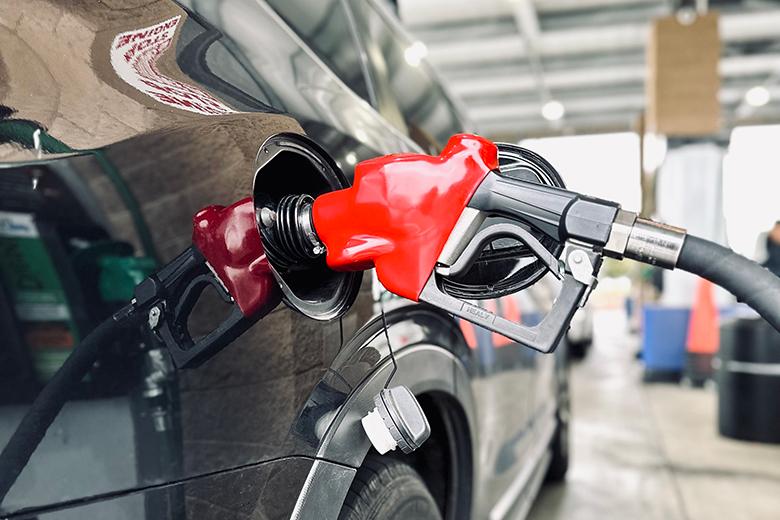
【ANN NEWS, LOS ANGELES】 This summer, American drivers have been feeling increasing pressure at the gas pump.
According to the latest data from the American Automobile Association (AAA), the national average price for regular gasoline remained at about $4.08 per gallon as of August 31. August also marked a rare milestone this year — the national average did not fall below $4 per gallon on a single day throughout the entire month, making it the first August on record in which that has occurred.
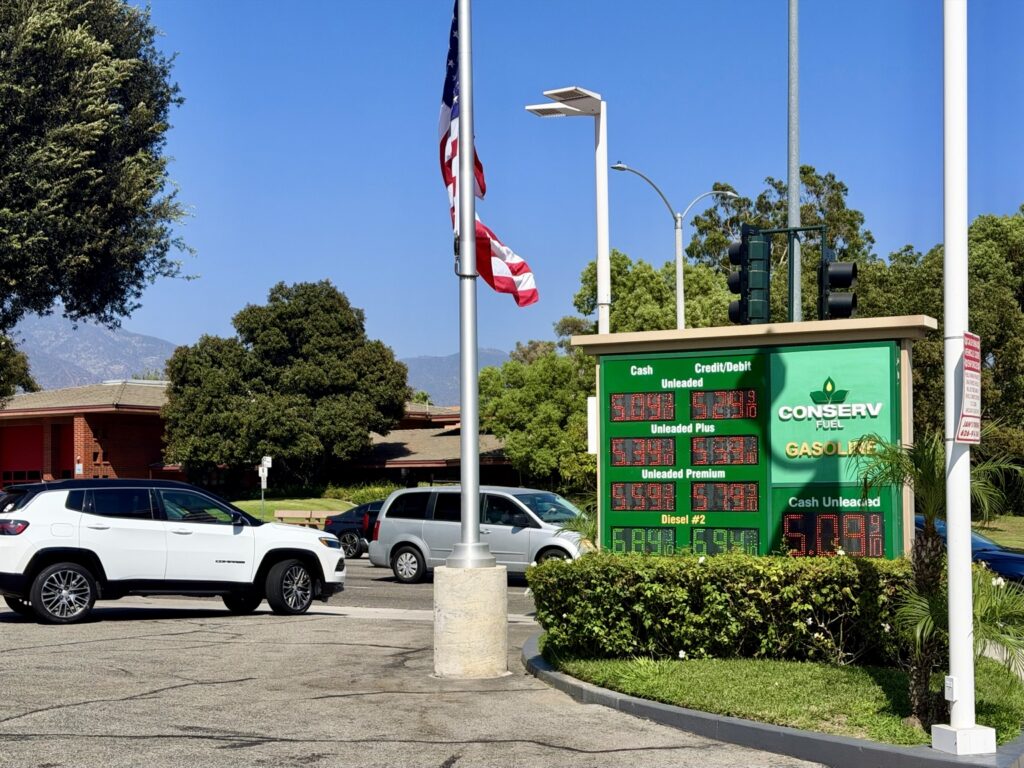
For California drivers, the pressure from high gas prices is even more pronounced. As of August 31, the average price of regular gasoline in California had reached $5.69 per gallon, mid-grade gasoline was about $5.91, premium gasoline had surpassed $6.11, and diesel was as high as $7.31 per gallon. Compared with the same period last year, California’s average price for regular gasoline has risen by more than $1 per gallon.
At current average prices, filling a car with 15 gallons of regular gasoline in California would cost about $85. For premium gasoline, 15 gallons would cost more than $91. For Southern California residents who commute by car every day, prices at these levels are becoming increasingly difficult to ignore.
And just as the Labor Day travel rush arrives in the United States, developments in the international oil market are giving drivers another reason for concern. As military conflict between the United States and Iran escalated again, international crude oil prices rose sharply on August 31. Global benchmark Brent crude gained about 2.7%, climbing back above $90 per barrel, while U.S. West Texas Intermediate (WTI) crude rose above $85 per barrel.
One of the market’s biggest concerns is the Strait of Hormuz. The narrow waterway connecting the Persian Gulf with the open sea is one of the world’s most important energy shipping routes, with about one-fifth of global oil shipments passing through it. If the military conflict escalates further or shipping is disrupted, global crude supplies could be affected, with the impact eventually reaching U.S. gas stations.
Under normal circumstances, U.S. gasoline demand gradually declines as the summer driving season ends and fall begins, giving prices at the pump an opportunity to fall. This year, however, the situation is different, as tensions in the Middle East and persistently high international crude oil prices have added further uncertainty to the outlook for fall gasoline prices.
U.S. President Donald Trump has recently taken aim publicly at American refiners, accusing some companies of making excessive profits during a period of high fuel prices and calling on the Justice Department to investigate. The White House is expected to meet with executives from several major oil and refining companies on September 1 to discuss issues including expanding refining capacity and lowering gasoline prices.
For ordinary consumers, all the complexities of the international energy market ultimately come down to one very direct question — how much will a gallon of gas cost the next time they pull into a gas station?
For now, with international oil prices once again above $90 per barrel, U.S. drivers hoping for a significant drop in gasoline prices may have to wait a while longer.