【ANN NEWS, LOS ANGELES】
On August 22, the Chinese American Federation’s “Culture Crash Course” series used Dine LA Restaurant Week as a starting point to organize a “City Culture and Dine LA Culinary Tour.”
Unlike a typical dining experience, the event did not simply focus on “where to have a meal.” Instead, it used Dine LA, one of Los Angeles’ signature culinary events, as a way to explore the city itself and understand how history, architecture, commercial brands, urban development and lifestyles have shaped the city into what it is today.
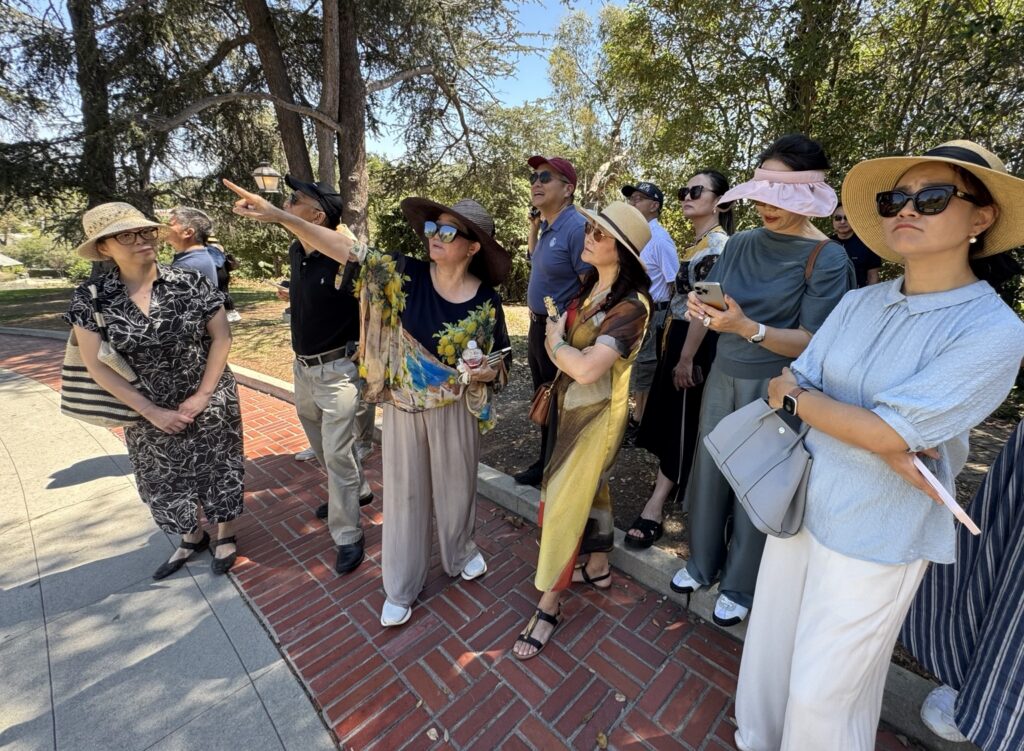
The event was organized by Chinese American Federation President Yifan Yang, HSBC executive and Project Development Committee head Erica Pu Lihong, and food blogger and key member of the federation’s Food Culture Committee Peggy Zhao Peiyao. Well-known Los Angeles host and blogger Wulan, known as “Wharton Mom” and also one of the leaders of the federation’s Women’s Committee, attended the event and shared insights into Beverly Hills’ brand culture and business operations.
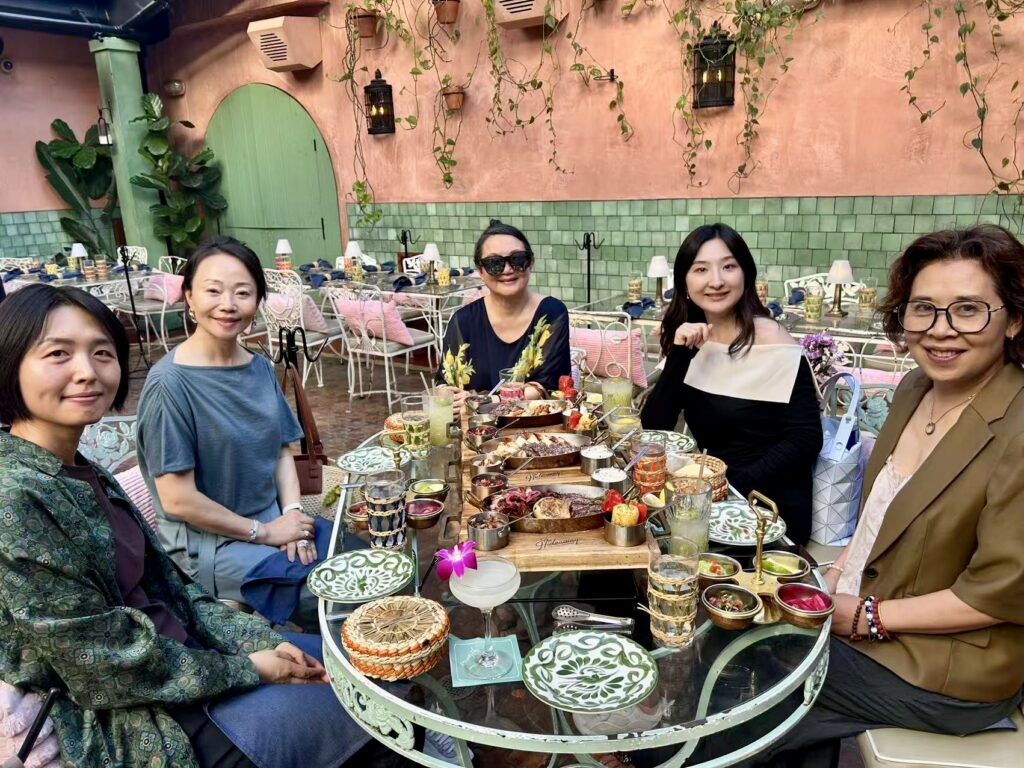
The program began at Greystone Mansion, followed by a driving tour of Trousdale Estates, a special cultural presentation, a walk along Rodeo Drive, and finally a Dine LA dinner at The Hideaway, extending the experience of a meal into a comprehensive exploration of urban culture.
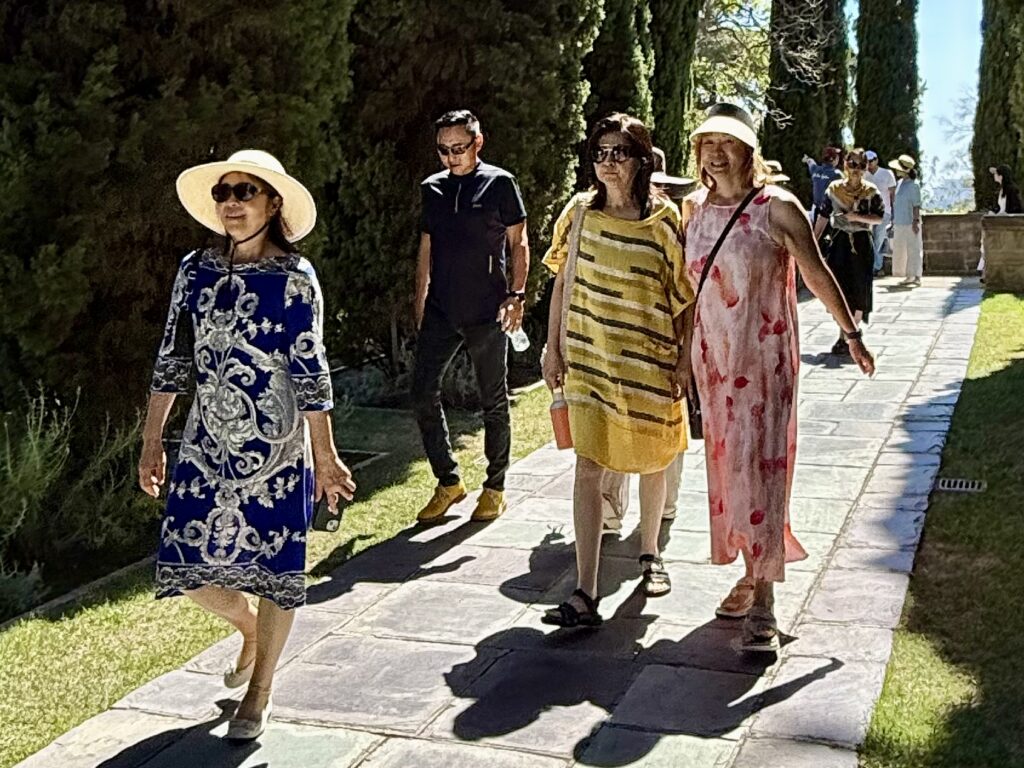
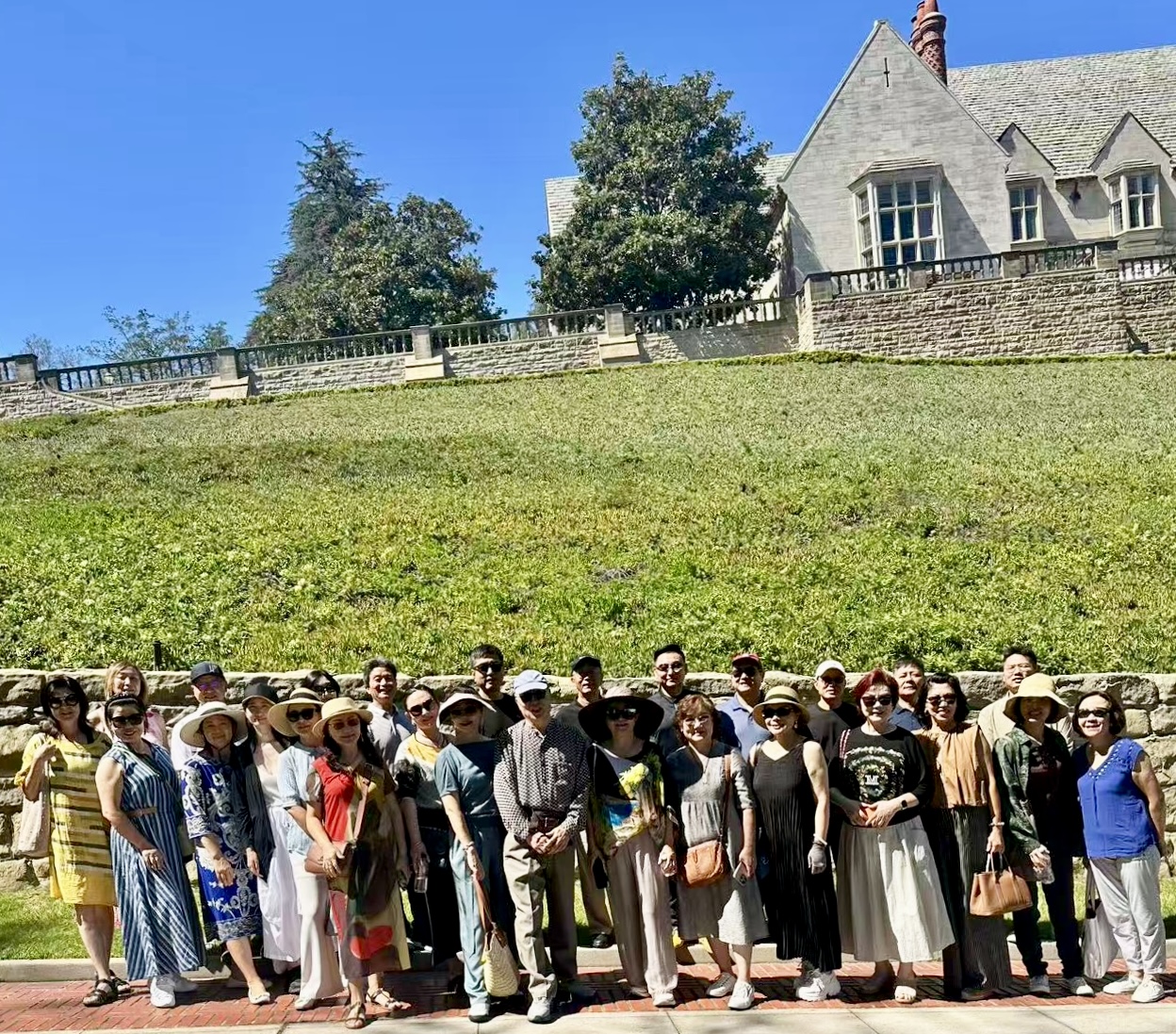
At 1:30 p.m., participants gathered at the Greystone Park Entrance, where the program began with Greystone Mansion. Chinese American Federation President Yifan Yang provided an overview of Los Angeles’ urban development, from the arrival of railroads in Southern California in the mid-to-late 19th century to oil development, water infrastructure, the growth of the Port of San Pedro and the rise of the Hollywood film industry. Together, these forces transformed Los Angeles from a small Western town into a global metropolis over the course of several decades.
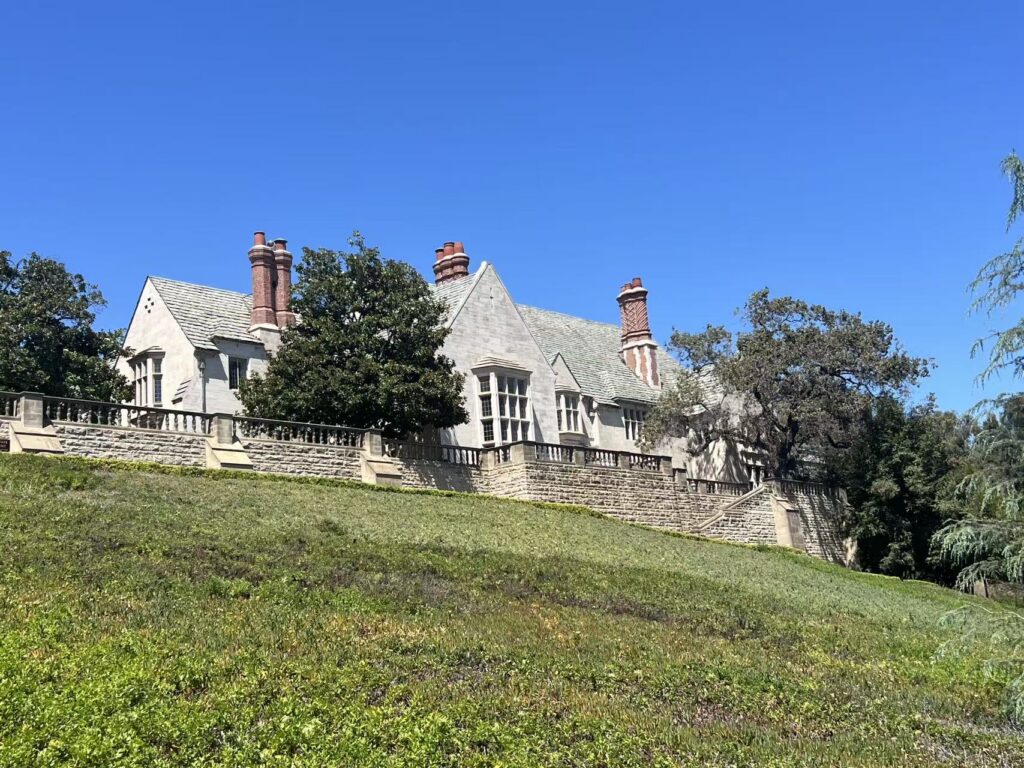
Greystone is an important witness to that era. The wealth of oil magnate Edward L. Doheny’s family ultimately left its mark on Beverly Hills through land, architecture and lifestyle. Completed in 1928 and designed by architect Gordon B. Kaufmann, Greystone’s stone architecture, formal gardens, spatial axes and distinct circulation routes for different aspects of daily life allowed participants to see, through a single estate, the aesthetics and social life of America’s industrial elite in the early 20th century.
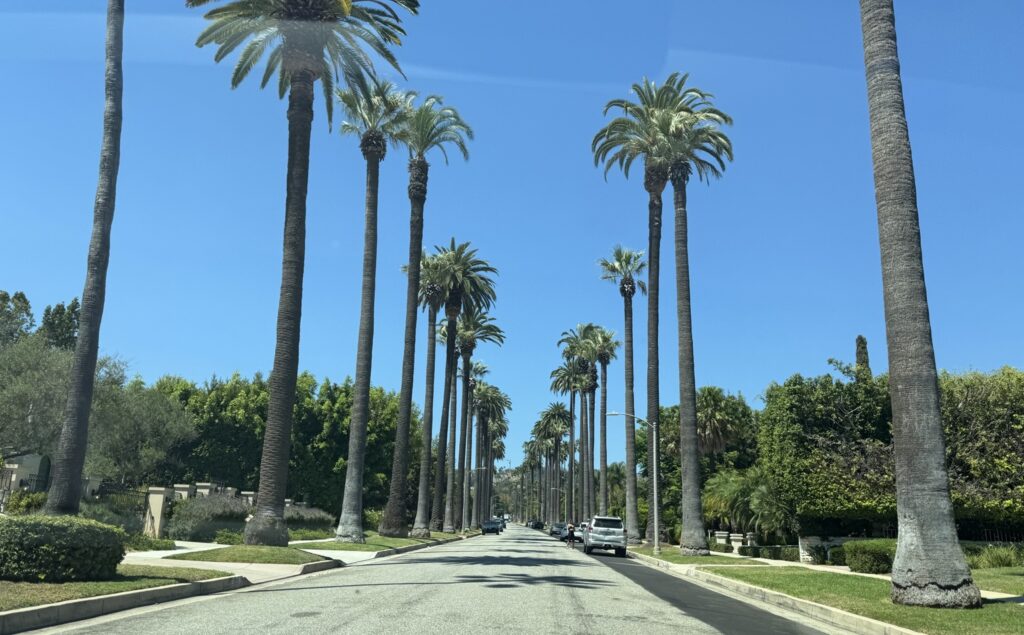
The group then took a driving tour of Trousdale Estates. In contrast to Greystone’s stately, ceremonial European-style estate architecture, Trousdale embodies postwar California Mid-Century Modern residential concepts: flat roofs, expansive glass, open spaces, swimming pools and a lifestyle that connects indoor and outdoor living.
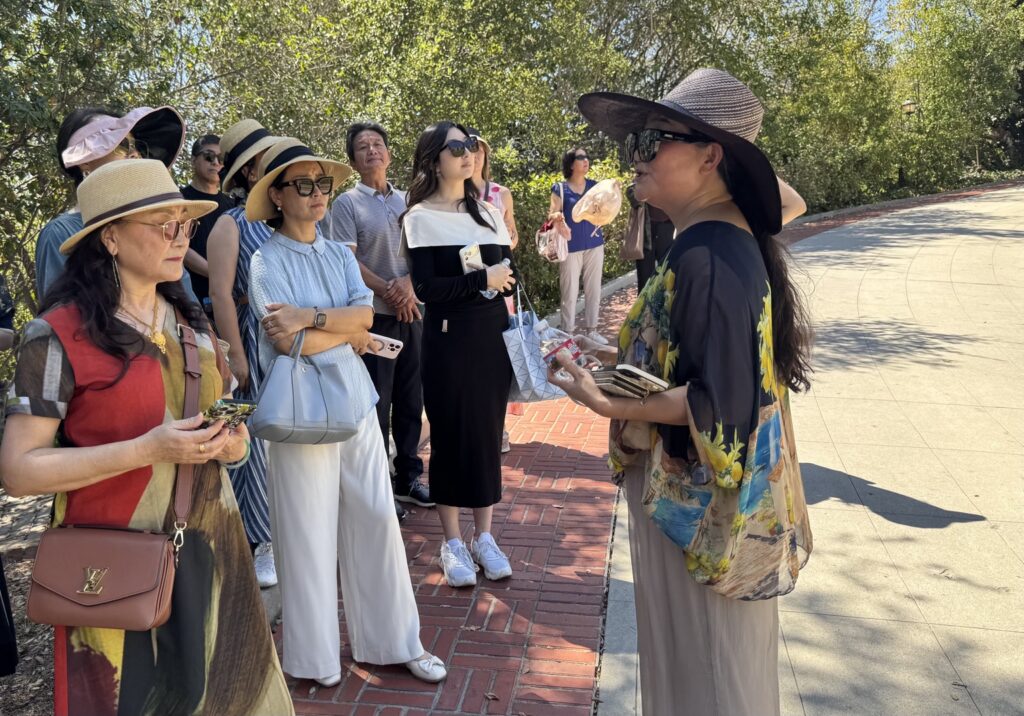
From Greystone to Trousdale, the two neighboring hillside communities reflect not only changes in architectural styles but also shifts in how affluent Americans of different eras understood housing, landscapes and lifestyles. Through these spaces, participants saw more than just “mansions”; they also witnessed changes in urban aesthetics and social lifestyles across different periods of history.
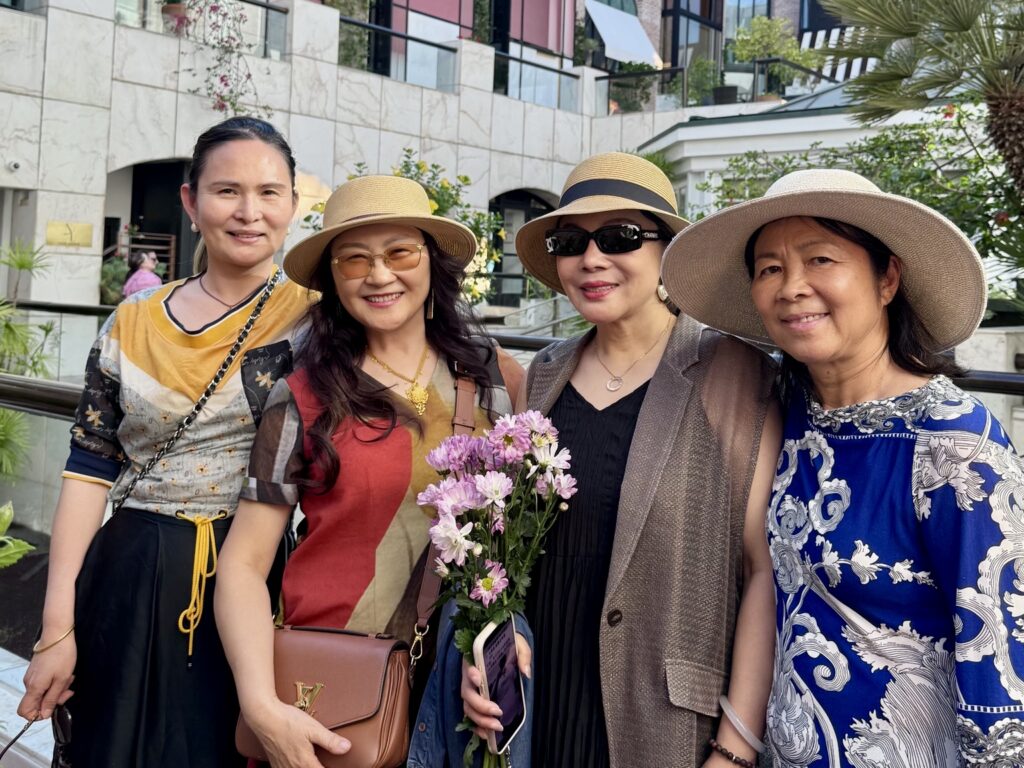
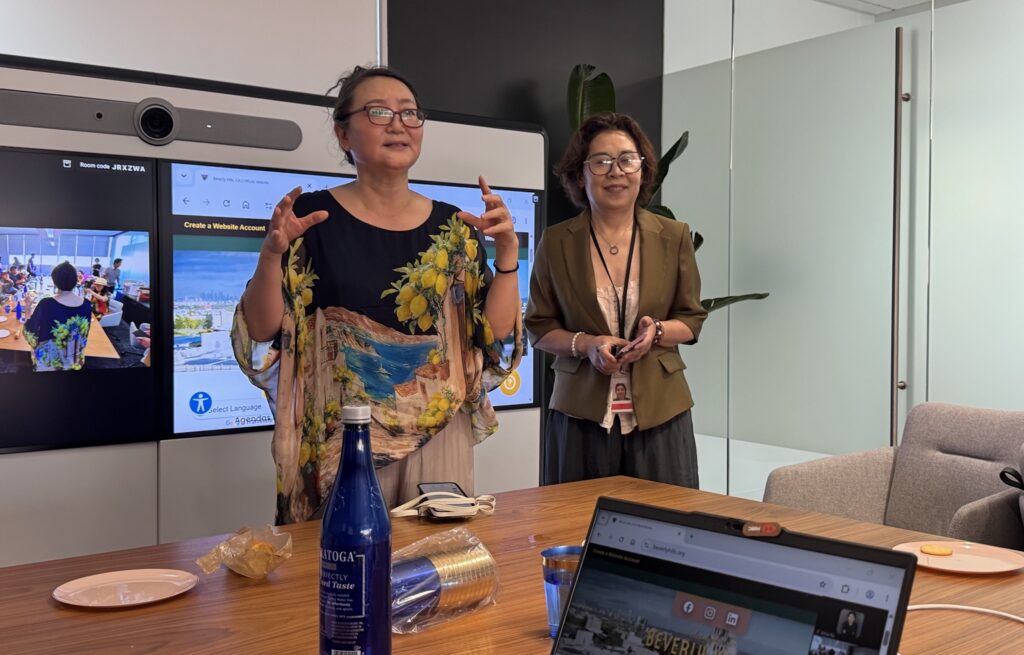
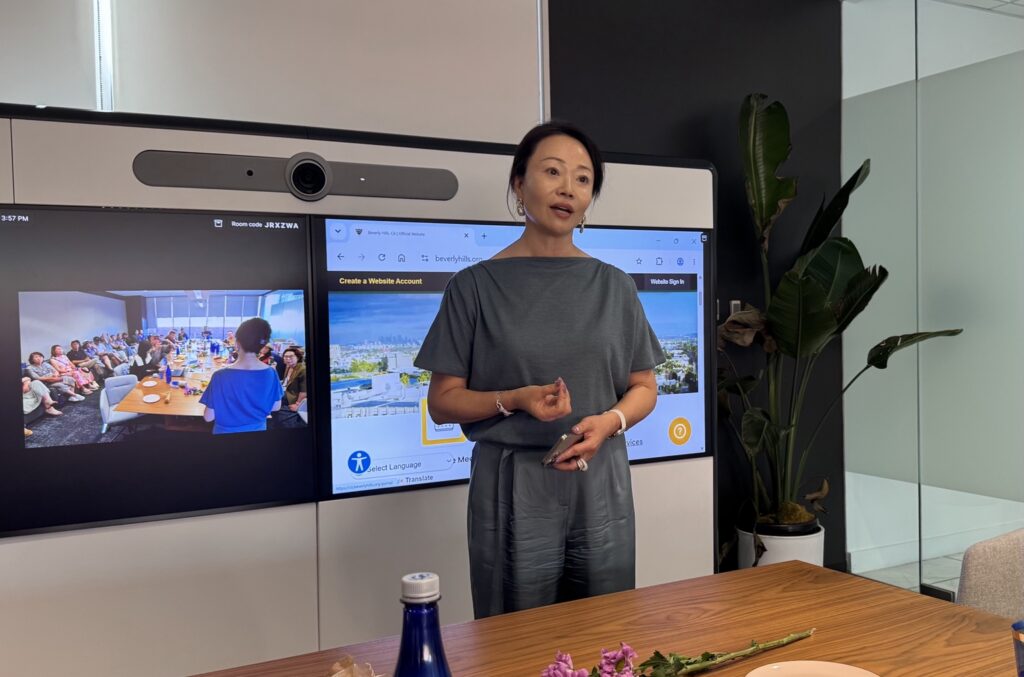
At 3:15 p.m., the group arrived in Beverly Hills for a special cultural presentation. Erica Pu Lihong discussed the city’s history and social structure, tracing Beverly Hills from the homeland of the Tongva people and Rancho El Rodeo de las Aguas to its formal incorporation in 1914 and its gradual emergence as a globally recognized city following the rise of Hollywood.
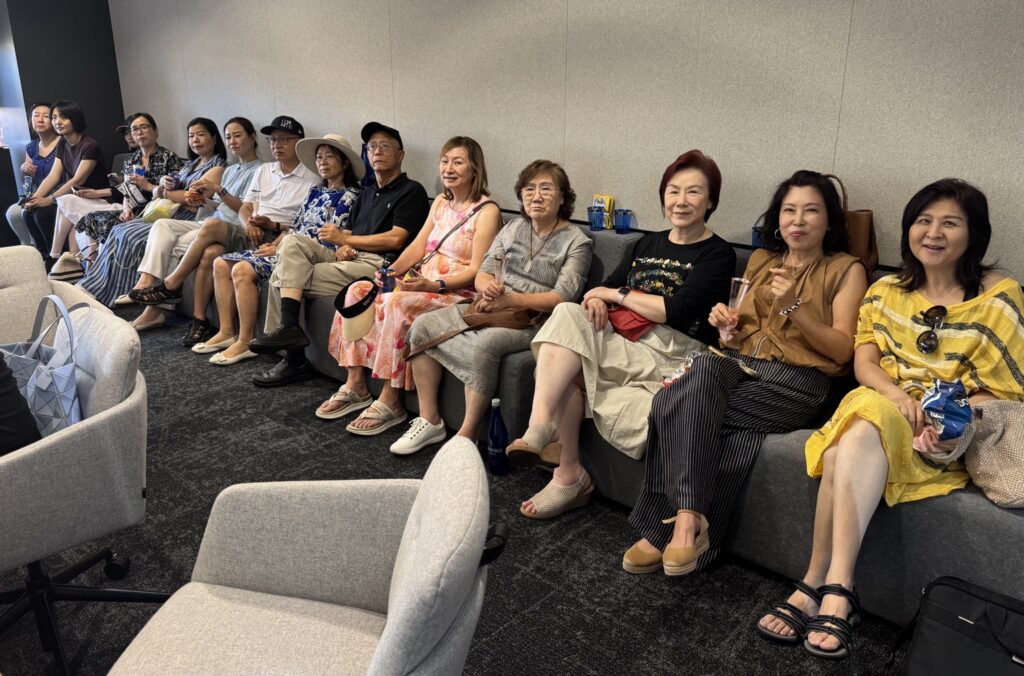
She said Beverly Hills today is known not only for its mansions and celebrities. Its independent municipal governance, public services, international population, and professional services ecosystem developed through the long-term concentration of real estate, hospitality, finance, technology and international capital are also important characteristics of the city.
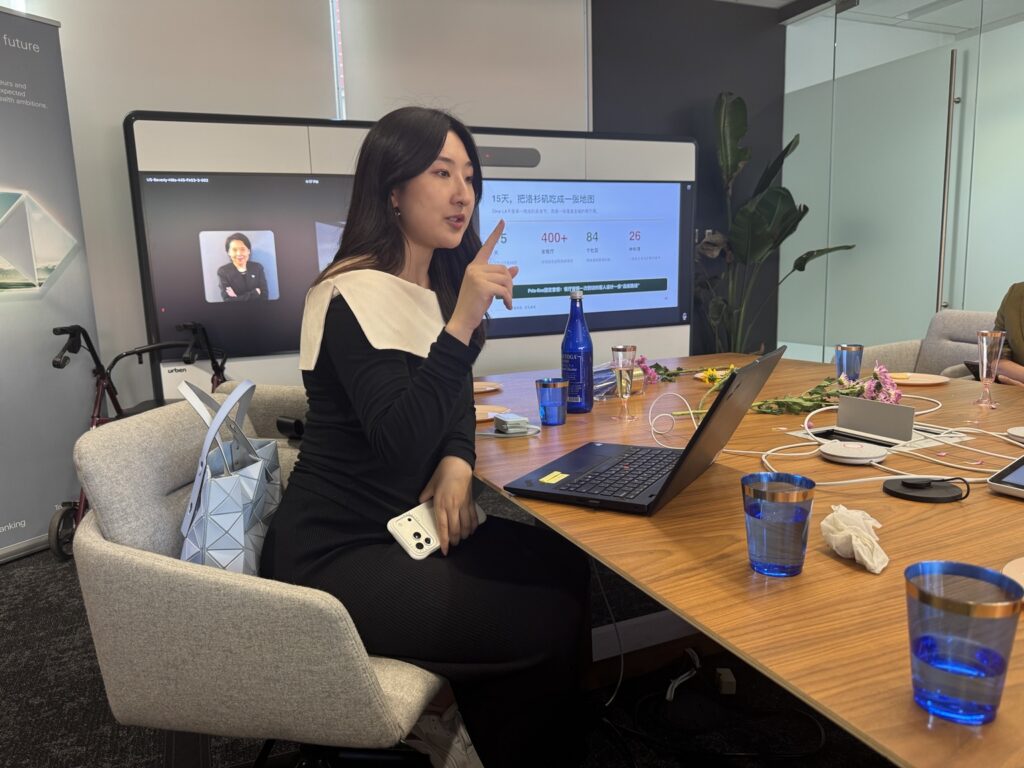
Wulan, known as “Wharton Mom,” used Rodeo Drive as a starting point to explain how an ordinary neighborhood street evolved over several decades into a global symbol of luxury retail. She said Rodeo Drive’s development resulted not only from the arrival of international brands, but also from the long-term convergence of European luxury traditions, new American wealth, Hollywood celebrity culture, urban planning and commercial operations. The transformation of a single street into one of the world’s most recognizable symbols of Beverly Hills is itself a classic example of how American cities build their brands.
Peggy Zhao Peiyao used Dine LA to interpret Los Angeles’ urban culture through food. She noted that, unlike many cities with a single signature cuisine, one of Los Angeles’ most distinctive culinary characteristics is precisely its “diversity.” Mexican, Latin American, Chinese, Japanese, Korean, Southeast Asian, Middle Eastern and European culinary traditions have long converged in the city, creating a constantly evolving culture of fusion and innovation.
On the surface, Dine LA Restaurant Week is a restaurant promotion campaign, but it is also a way of bringing the public into different neighborhoods and cultural settings through restaurants.
For that reason, the event did not treat Dine LA simply as a “food check-in,” but instead used it as an entry point for understanding Los Angeles’ urban culture. Starting with restaurants and then returning to the city’s history, community development, commercial brands and lifestyles is what distinguished this “Culture Crash Course” from an ordinary dining event.
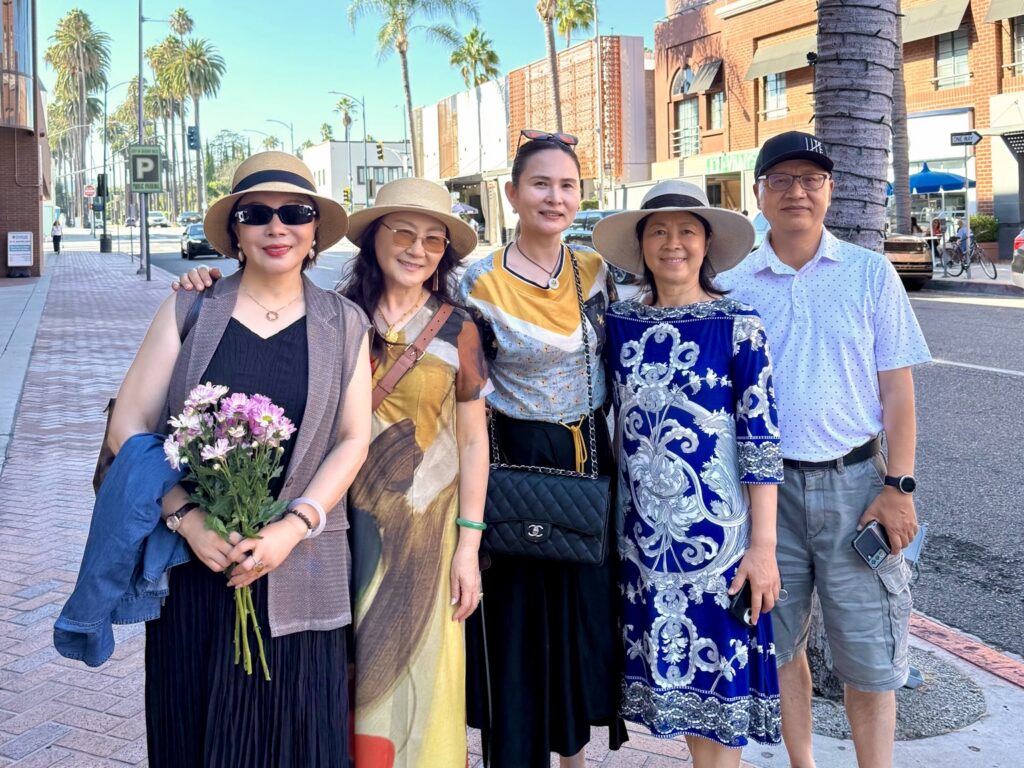
After the presentations, members walked through the heart of Beverly Hills and along Rodeo Drive. The urban planning, commercial branding and lifestyles they had just heard about could be seen firsthand on the streets. The architecture, storefronts, street scale, landscaping, hotels, commercial environment and even the pedestrian experience gave participants a new understanding: a city’s brand does not exist only in a handful of famous trademarks, but also comes from urban planning, public spaces, quality of service and the accumulated details of everyday life.
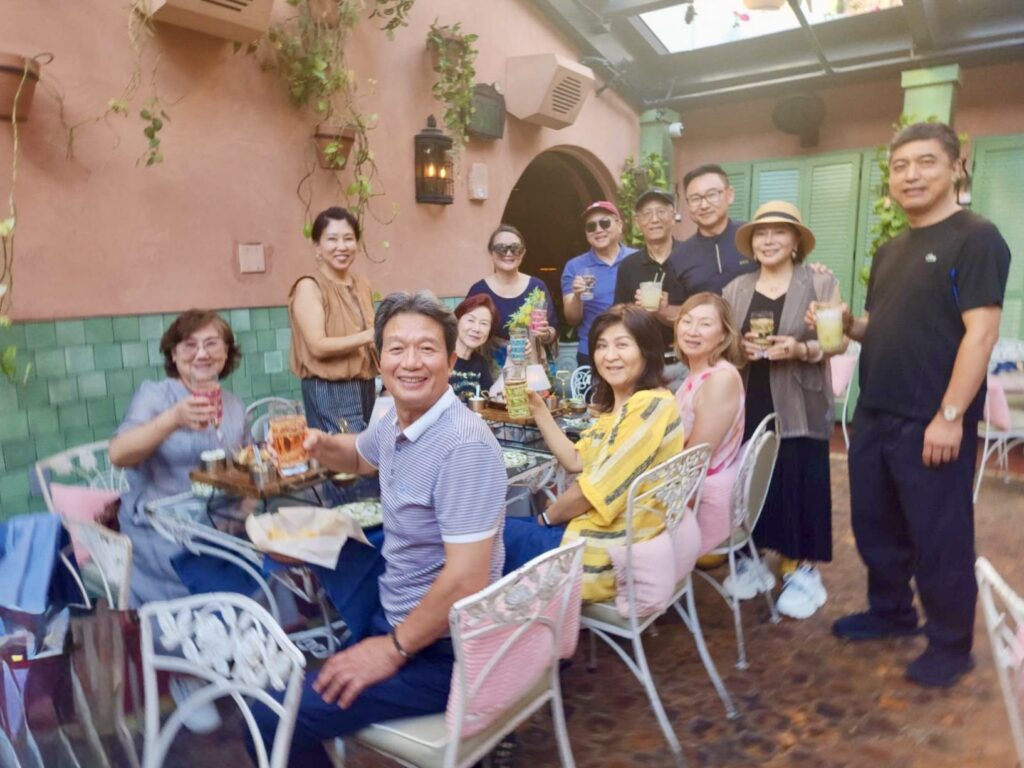
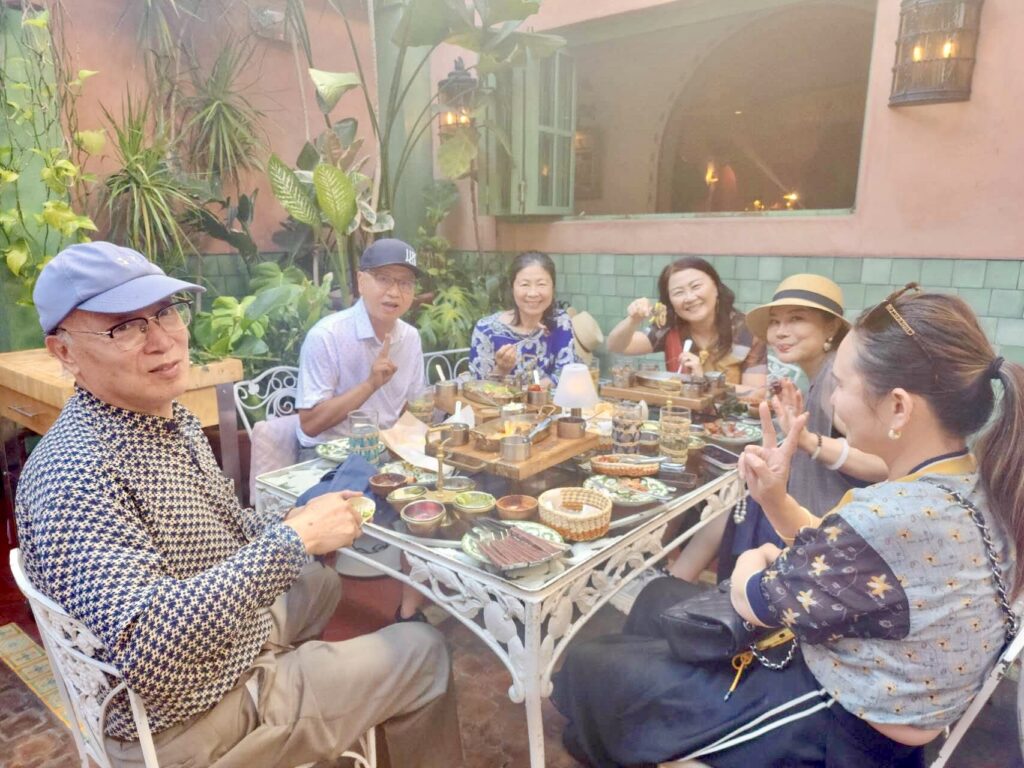
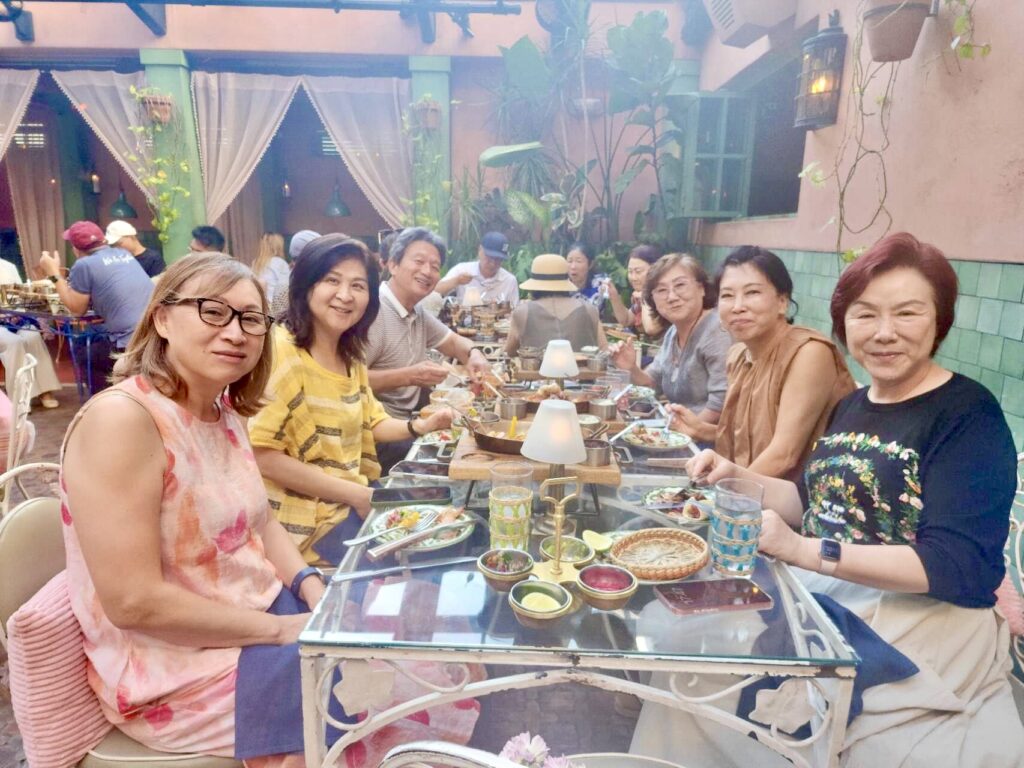
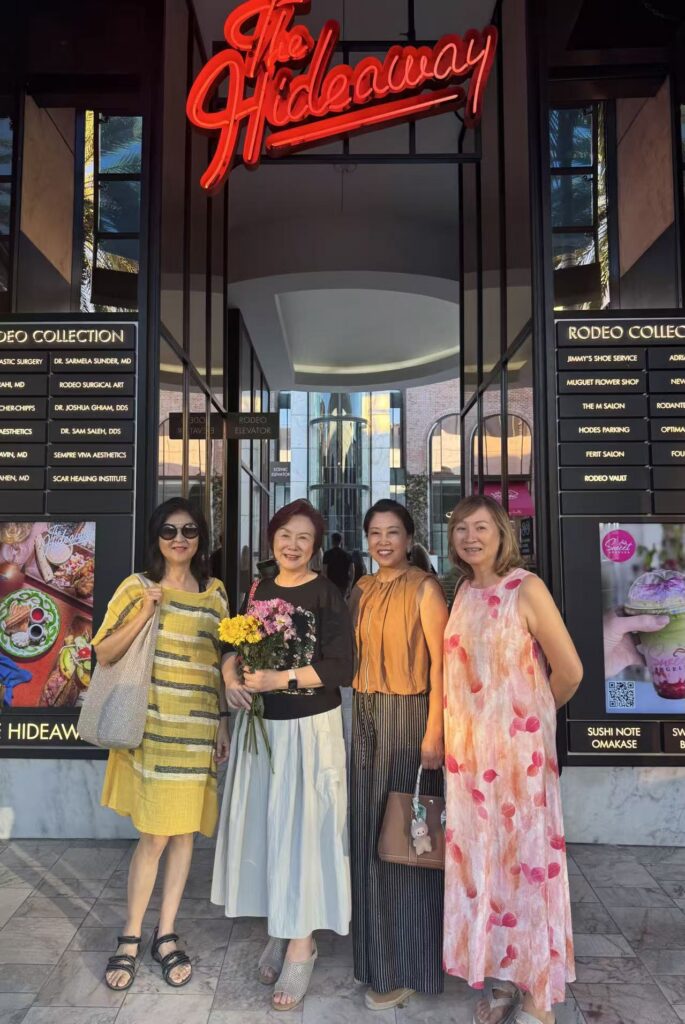
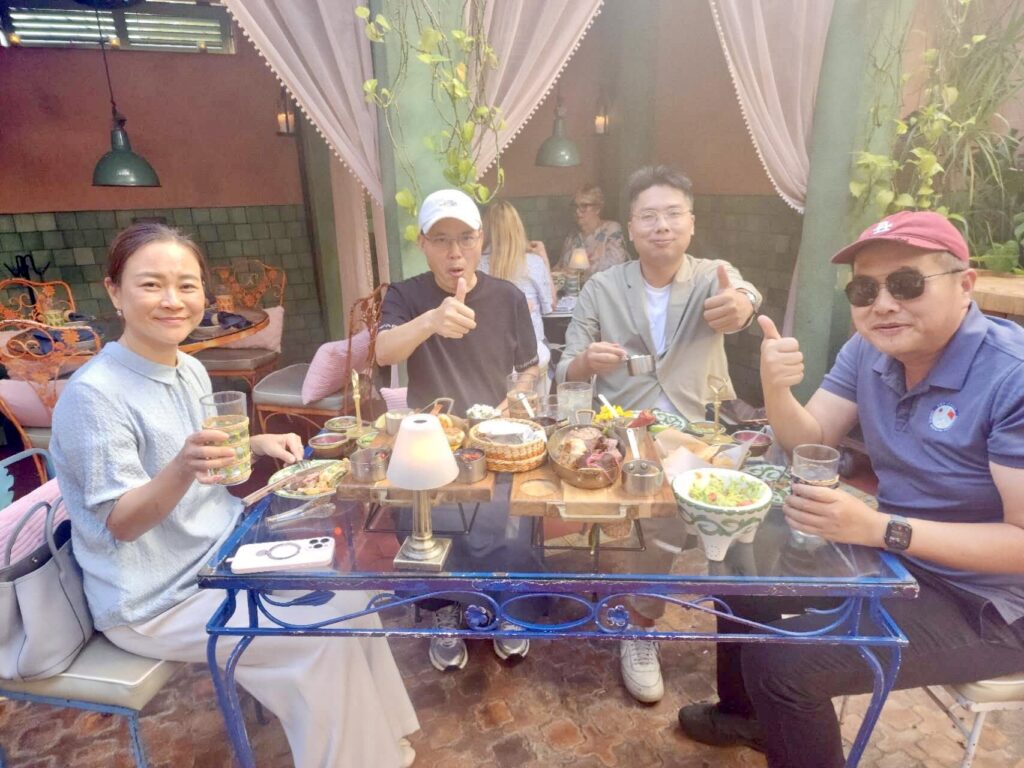
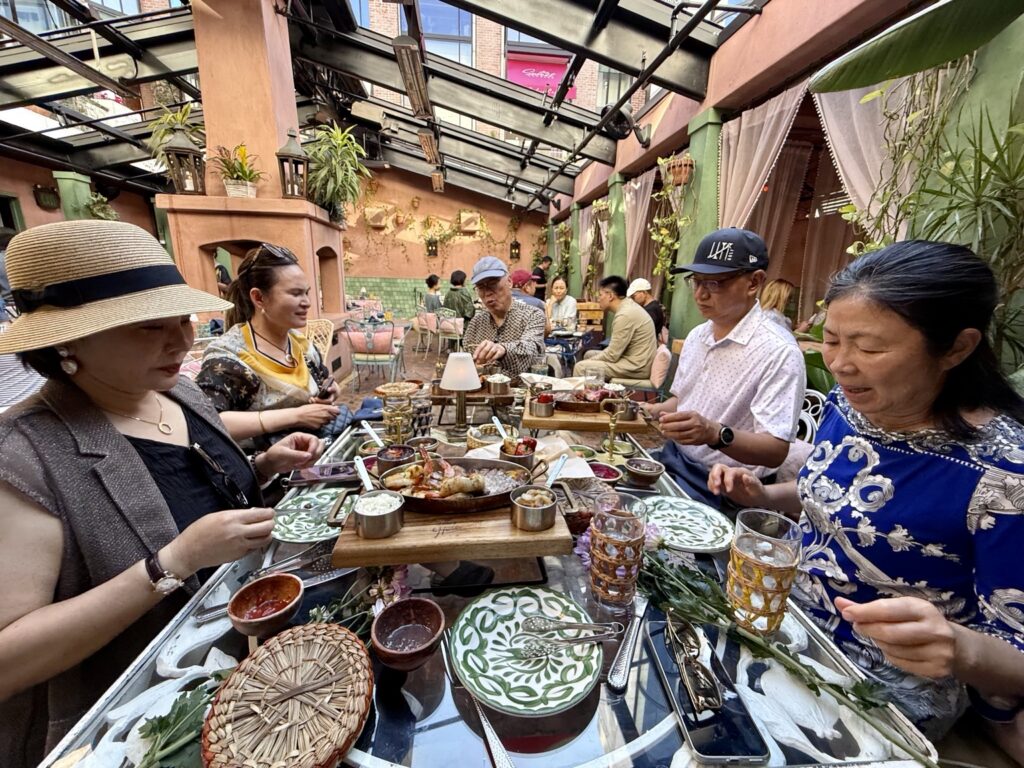
At 5 p.m., the group arrived at The Hideaway for a Dine LA dinner. Dishes including New York Steak, Carnitas, Grilled Shrimp, Tortillas, Guacamole and Salsa echoed the earlier discussion of Los Angeles’ diverse food culture, bringing the day’s exploration of urban culture back to the dining table and everyday life.
The event began with a meal, but went far beyond a meal; it explored a city, but went beyond simply seeing its surface. The day’s program expanded the question of “what to eat” into “why this kind of food and lifestyle developed here,” and then further into “why this city became what it is today,” making Dine LA a tangible entry point for observing Los Angeles’ urban culture.
Chinese American Federation Board Chairman Pang Fei said the event naturally connected previously separate elements of history, architecture, urban governance, commercial branding and food culture, allowing participants to develop a more comprehensive understanding of Beverly Hills and Los Angeles within a short period of time.
Chinese American Federation Board of Supervisors Chairman Dong Ke said this type of event allows what is learned from books to be verified through firsthand experience, while enabling the past and present to explain each other. It also allows members to better understand the present by first understanding history.
Chinese American Foundation Chairman Yu Zewei said that living in the United States requires more than knowing “where is worth visiting”; people should also understand why a place became what it is today. By visiting places where history unfolded and connecting what they hear and learn with architecture, streets and real-life settings, first-generation immigrants can develop a more multidimensional understanding of the society in which they live.
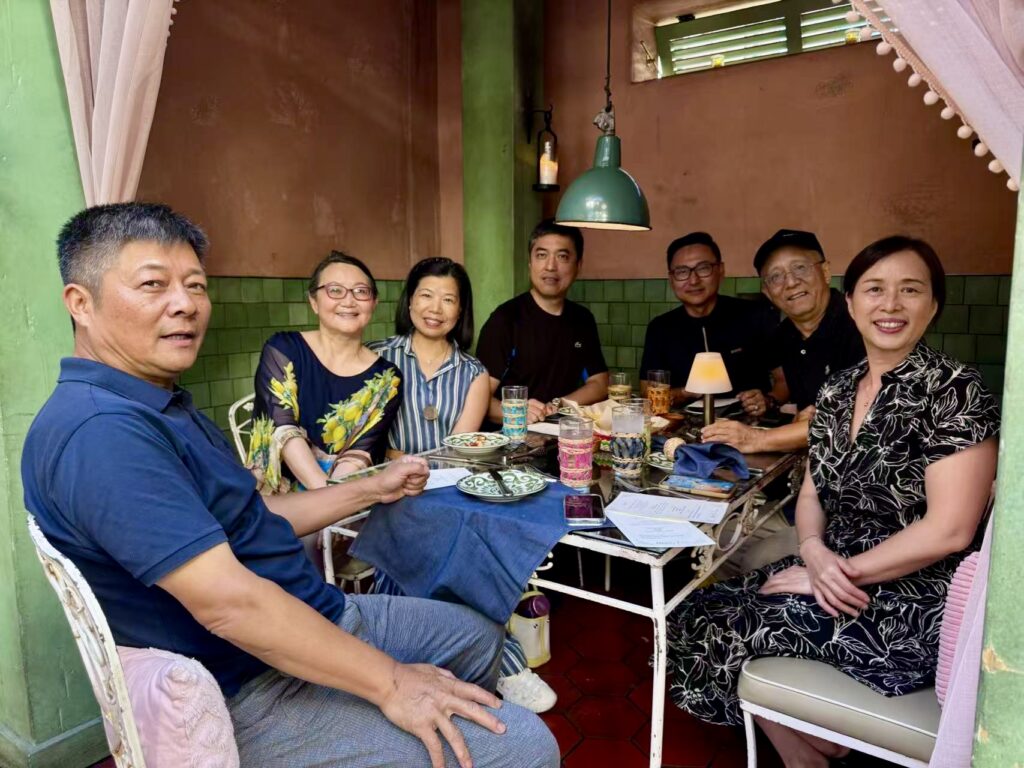
Chinese American Federation Honorary President Wang Jianmei expressed strong support for the “Culture Crash Course” series. She said she hopes the series will continue and gradually become a cultural program for the Chinese American community with meaningful content, depth and lasting influence.
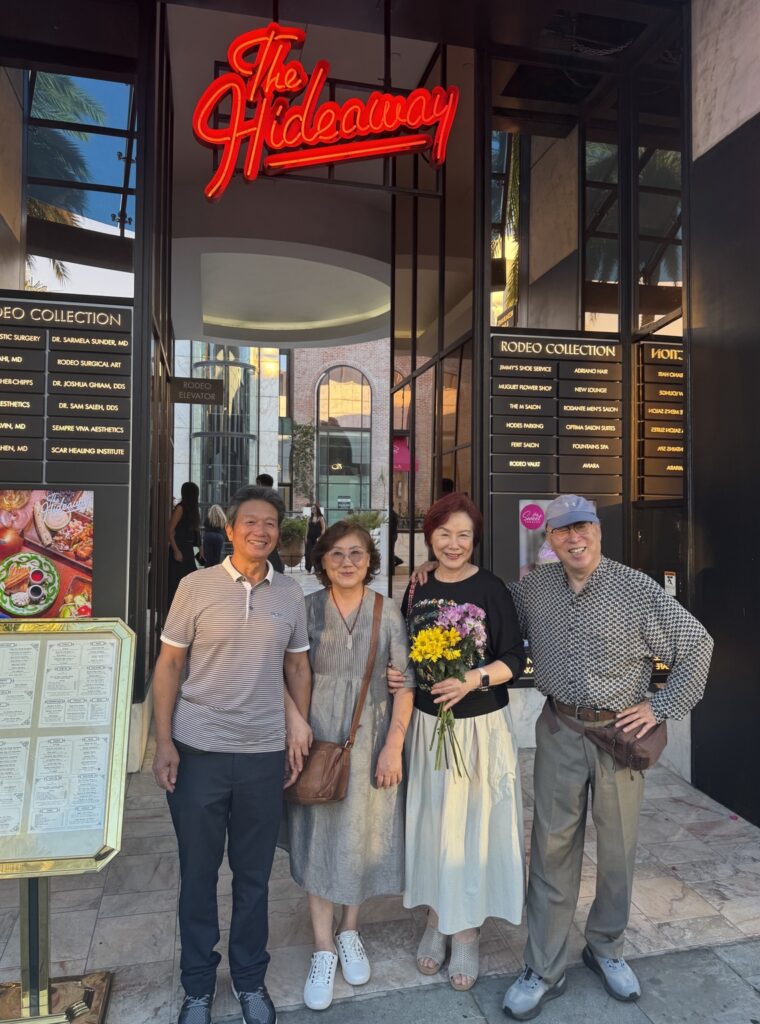
President Yifan Yang said the Chinese American Federation has long focused on how Chinese immigrants can genuinely integrate into American society. Built on a foundation of “ethnic confidence,” the “Culture Crash Course” series uses the organization’s platform to bring together resources and explore history, architecture, art, sports, business and lifestyles from different perspectives, turning the unfamiliar into the familiar and gradually connecting fragmented knowledge.
“Understanding America is not about losing our own culture, but about participating in American society with greater confidence and finding our own place and voice within a multicultural society.”
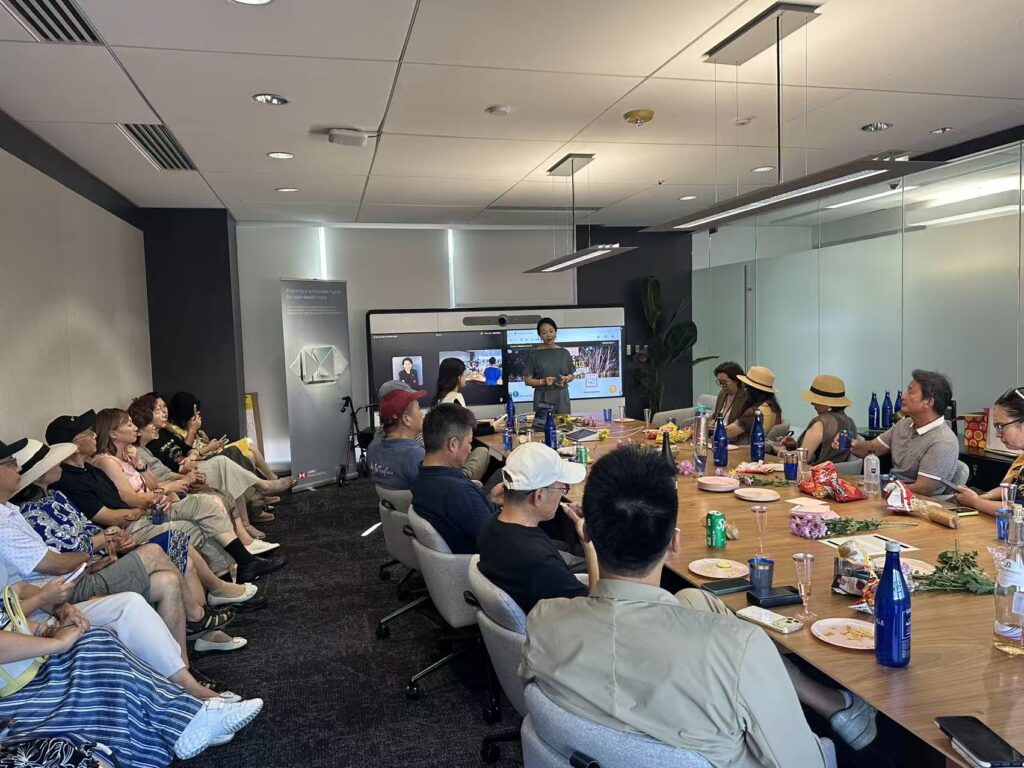
Since the beginning of this year, the Chinese American Federation has continued to organize its “Culture Crash Course” series for first-generation immigrants, with events held nearly every month around different themes. Participants have generally said that each event features a different theme and an innovative format, with careful preparation focused on aspects of mainstream American culture that first-generation immigrants need to understand, providing practical help as they learn about and integrate into American life. Registration for each event, which typically accommodates dozens of participants, has exceeded the original capacity, requiring organizers to repeatedly add more spots.
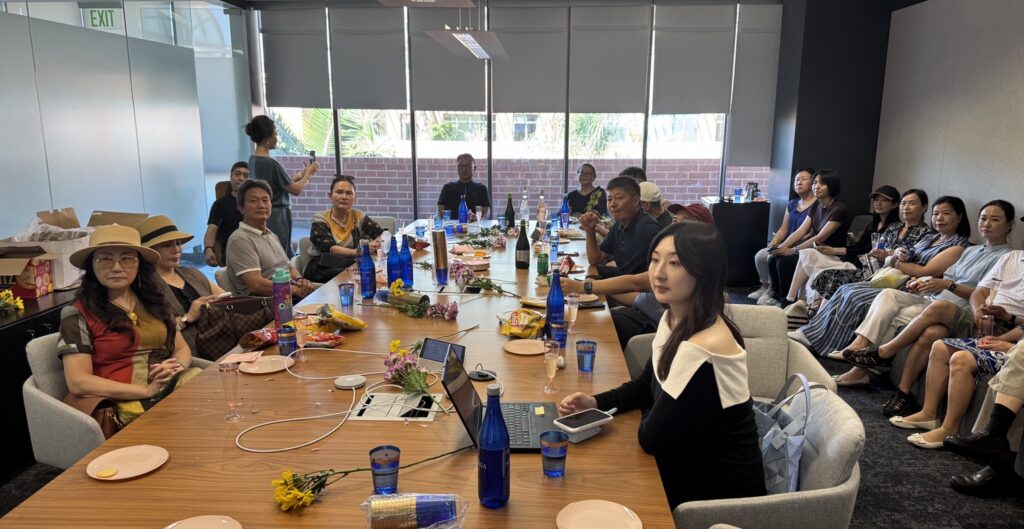
Following visits earlier this month to Pasadena Humane to learn about American pet culture and to The Huntington Library to experience lawn culture, this event used Dine LA Restaurant Week as an entry point to connect urban history, architecture, commercial brands and food culture.
For the “Culture Crash Course,” visiting a place is not simply about touring it. Instead, the goal is to use specific urban spaces, mainstream social activities and real-life settings to help first-generation immigrants more quickly understand how American society operates and the cultural logic behind it.
Helping members not only “see” America, but also better “understand” America, is the idea the “Culture Crash Course” series hopes to continue promoting. Going forward, the Chinese American Federation will continue exploring more aspects of American society and culture, helping members improve themselves, establish themselves within community organizations, move beyond those organizations and engage with the broader community.