
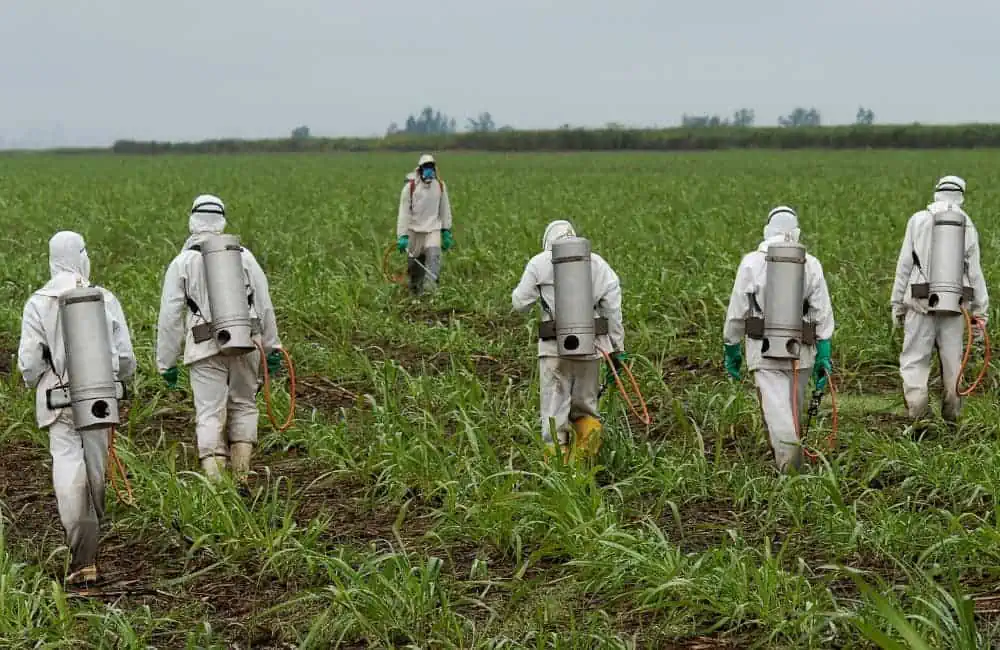
California to Phase Out Highly Toic Herbicide! Already Banned in More Than 60 Countries and Regions, Even a Small Swallow Can Be Fatal
【ANN NEWS, CALIFORNIA】
A powerful herbicide that has been used on California farmland for years is set to be gradually phased out of the market.
The California Department of Pesticide Regulation announced that all manufacturers of pesticide products containing the active ingredient “Paraquat” have voluntarily agreed to cancel the registration of those products in California. This means the herbicide, which has long been controversial because of its high toxicity and potential health risks, will gradually be withdrawn from California, one of the largest agricultural states in the United States.
Paraquat has already been banned or discontinued in more than 60 countries and regions worldwide, but it remains approved for use in the United States, and California has long been one of the states with the highest paraquat use in the country.
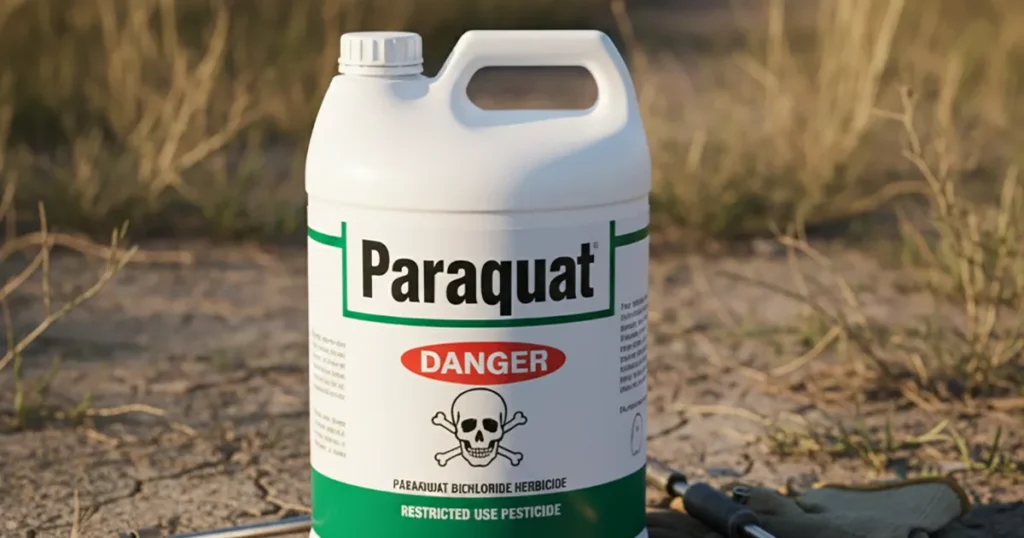
“Even a Small Swallow Can Be Fatal, and There Is No Antidote”
One of the greatest concerns surrounding paraquat is its acute toxicity.
The U.S. Environmental Protection Agency(EPA)explicitly warns that paraquat is highly toxic and that ingesting even a small amount can be fatal. There is currently no antidote for paraquat poisoning.
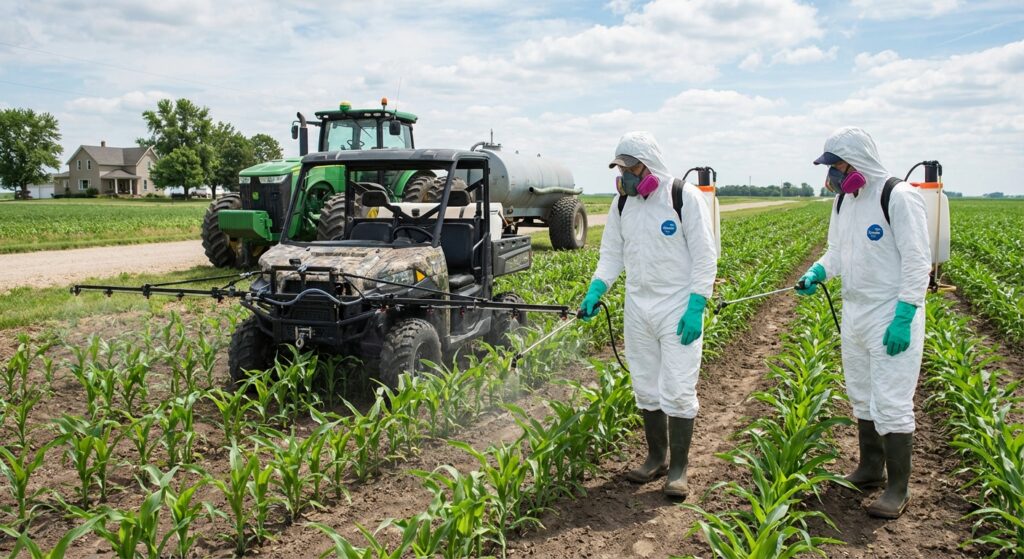
In the United States, paraquat is classified as a restricted-use pesticide and may only be used by certified professionals.
However, large quantities of paraquat are still used in California agriculture each year, primarily in agricultural regions such as the San Joaquin Valley, on crops including almonds, grapes and cotton.
Studies Point to Potential Links to Birth Defects and Thyroid Problems
In recent years, controversy over the potential health risks of paraquat has continued to intensify.
After reevaluating relevant scientific research, California regulators found that paraquat exposure may potentially be associated with health and environmental risks including:
- Birth defects;
- Effects on thyroid health;
- Potential harm to birds and other organisms.
Another issue that has drawn longstanding attention is Parkinson’s disease.
Thousands of lawsuits involving paraquat have been filed in the United States, with some agricultural workers alleging that they developed Parkinson’s disease after long-term exposure to the herbicide.
Some studies have found an association between paraquat exposure and Parkinson’s disease, but the scientific evidence is not entirely consistent, and other studies have found no clear association. Syngenta, one of the major manufacturers, has consistently denied that its product causes Parkinson’s disease.
Therefore, strictly speaking, a more accurate description at present is: There is a potential association between paraquat and Parkinson’s disease that has drawn significant attention, rather than an established direct causal relationship.
Why Is California Phasing It Out Now?
This change is not the result of the California government directly issuing a “ban.”
In 2024, California passed legislation requiring the Department of Pesticide Regulation to reevaluate paraquat and determine whether its registration should continue, be suspended or canceled, or whether additional restrictions should be imposed.
Regulators subsequently began the reevaluation process.
But then came a key turning point——manufacturers chose not to continue submitting new scientific data to maintain their product registrations and instead began voluntarily withdrawing them.
Beginning in April this year, companies began canceling product registrations one after another. With the final registrant withdrawing, all manufacturers of paraquat-containing products in California have now agreed to cancel their registrations.
They include Syngenta, one of the world’s major paraquat manufacturers. The company said its decision to phase out its paraquat business was part of a global commercial decision.
It Will Not Disappear From California Farmland Immediately
It is important to note that the “phaseout” does not mean paraquat will disappear immediately from the date of the announcement.
Under California law, after a product registration cancellation formally takes effect, distributors may still be allowed to sell or dispose of existing inventory within a specified period of up to two years.
During this period, paraquat may still only be used by qualified professionals.
In other words, California is now entering a gradual phaseout period, rather than imposing an “overnight total ban.”
Farmers Worry Costs Could Rise Further
Environmental groups view the decision as an important victory for public health.
The Environmental Working Group says agricultural workers and residents living near farms have long faced potential health risks from paraquat, and that California’s move away from the herbicide is “long overdue.”
The agricultural sector, however, has taken a markedly different position.
The California Farm Bureau said paraquat has long been an important tool in California agriculture. As more pesticides leave the California market, farmers have fewer products to choose from and could also face higher production costs.
Behind the controversy is a longstanding challenge facing California agriculture:
How to strike a balance among agricultural productivity, farmers’ costs, public health and environmental protection.
Will Other States Follow California?
California is not the first U.S. state to take action.
In June this year, Vermont announced a ban on paraquat, becoming the first U.S. state to take such a measure. Now that California, one of the nation’s largest agricultural states, is also beginning to phase paraquat out of the market, the move could prompt other states to take another look at the pesticide.
Meanwhile, the U.S. Environmental Protection Agency is also reevaluating paraquat.
This means the United States could see further regulatory changes involving the powerful herbicide, which has been used for decades.
For ordinary consumers, the broader significance of this development is not simply that “one pesticide is being phased out,” but a larger trend:
As new health research continues to emerge, some agricultural chemicals that have been widely used for decades are undergoing renewed safety reviews.