【ANN NEWS, LOS ANGELES】
In the future, even with the windows closed and music turned up, drivers in Los Angeles may find it difficult to “miss” a police car approaching from behind——because LAPD’s new siren is designed not only to be heard, but also to be physically “felt.”
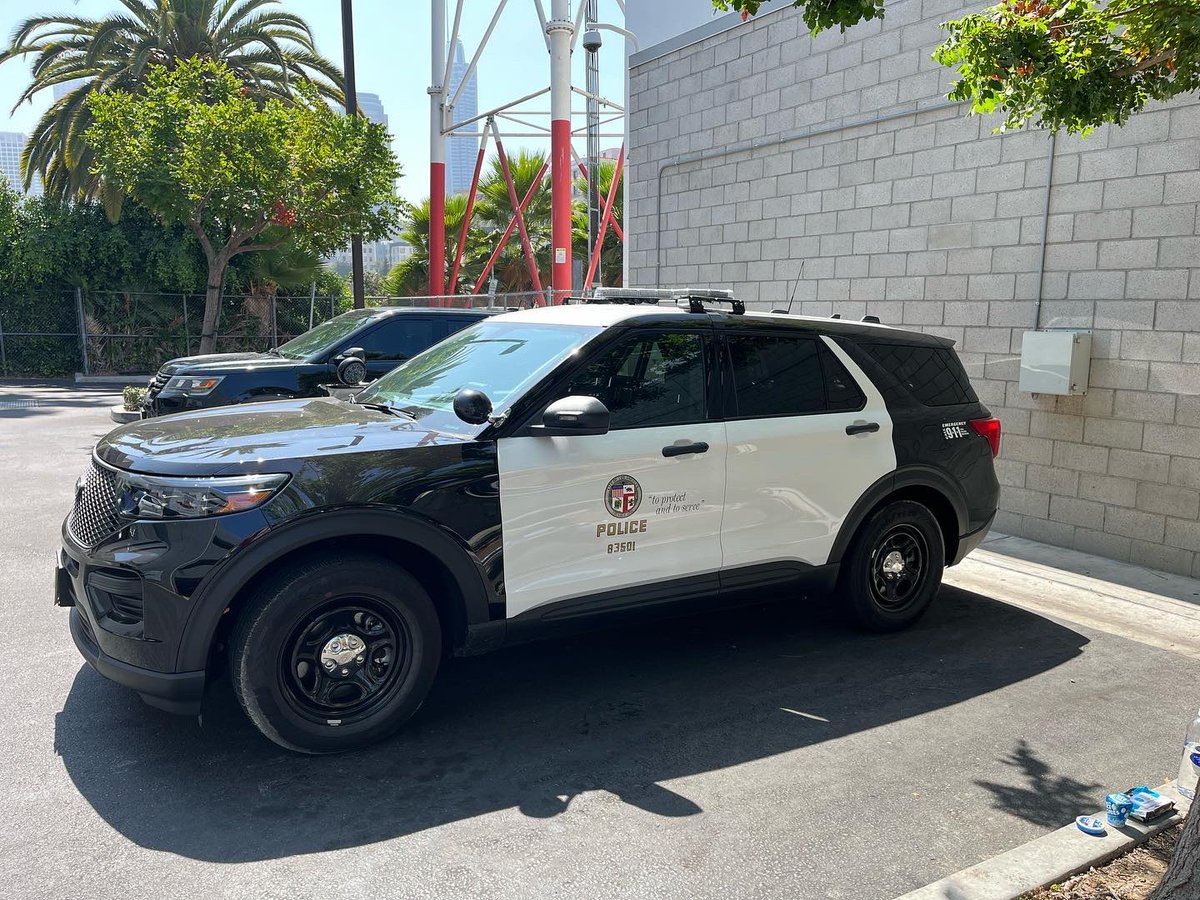
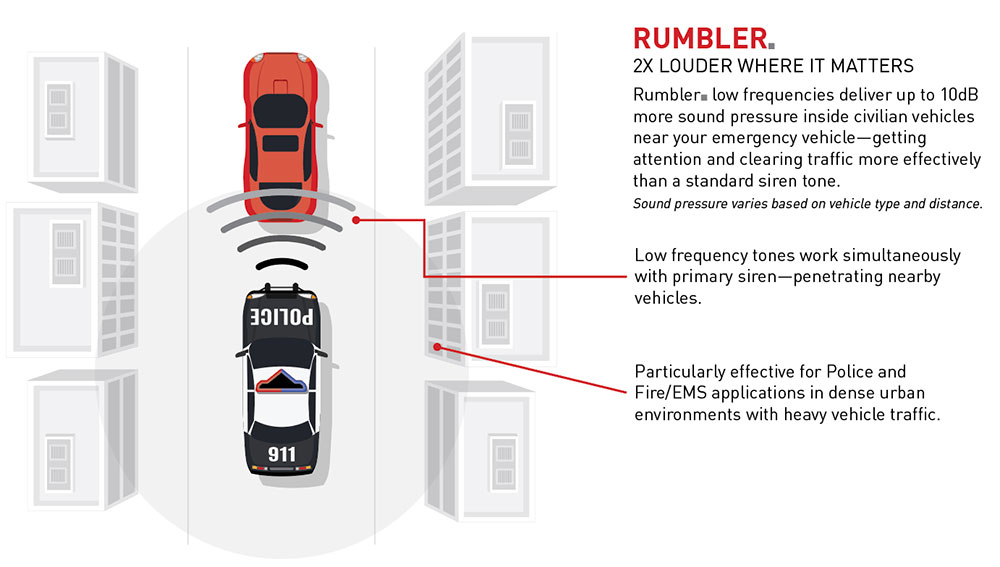
The Los Angeles Police Department(LAPD)is equipping some patrol vehicles with a low-frequency siren system called the Rumbler. Unlike the sharp sound of traditional sirens, the system produces low-frequency sound waves and noticeable vibrations, allowing nearby drivers and pedestrians not only to hear the siren but also to feel the low-frequency vibrations through their bodies and vehicles.
🚨 Why Use a Siren That “Shakes”?
The issue is that modern cars are becoming increasingly quiet inside.
New vehicles have better sound insulation, and with the windows closed, air conditioning running, music playing or even noise-canceling technology in use, traditional sirens can sometimes struggle to quickly get a driver’s attention.
This is especially important in a heavily congested city like Los Angeles, where police cars, fire trucks and ambulances responding to emergencies often need to move quickly through complicated traffic.
The Rumbler is designed to address that problem.
It does not replace a conventional siren, but works alongside it. Low-frequency sound waves can more easily penetrate barriers such as car windows and doors while also producing vibrations that can be physically felt.
Simply put:
Traditional siren: Makes you “hear it.”
Rumbler: Makes you “hear it + feel it.”
Even if a driver does not immediately hear the traditional siren, they may feel the low-frequency vibrations through the vehicle and their body, alerting them that an emergency vehicle is approaching.
🚓 LAPD to Equip 20 Patrol Cars First
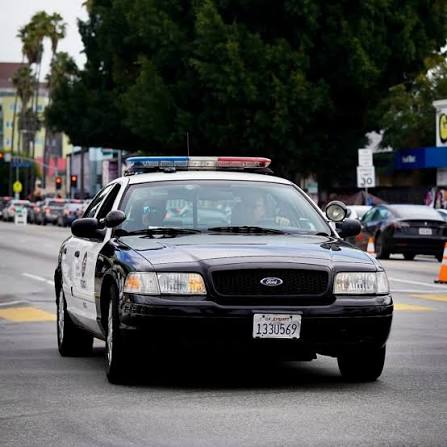
According to an August 10 report by the Los Angeles Times, LAPD plans to initially install the Rumbler system on 20 black-and-white patrol vehicles before considering a broader rollout.
A standard Rumbler system includes two subwoofers, an amplifier and a timer module. Depending on the configuration, each system costs approximately $600 to $1,000.
Manufacturer Federal Signal says the system is particularly suited for busy urban areas with high levels of ambient noise.
LAPD’s new patrol vehicles are also equipped with upgraded lighting and a synchronized broadcast system that allows multiple police vehicles to simultaneously play prerecorded public safety messages.
😳 Some Are Concerned: Is It Too Much “Rumble”?
The new technology has also sparked controversy.
Some noise pollution advocates are concerned that low-frequency sound will affect not only drivers, but also nearby residents, pedestrians and others who are not the intended targets of the police vehicle.
At the heart of the debate is this question:
To get one driver who has not noticed the siren to move aside, is it necessary for everyone nearby to feel the low-frequency vibrations?
From the police perspective, however, during high-speed pursuits, at intersections and in congested traffic, a delay of just a few seconds when a driver fails to notice a police vehicle could lead to a serious traffic accident.
As a result, allowing drivers to “feel that a police car is coming” could become a new way to improve safety for emergency vehicles traveling through traffic.
It Is Not Actually a Brand-New Technology
The Rumbler is not a recent invention.
This low-frequency siren technology is already used in other U.S. cities and by some emergency services overseas. Its main advantage is its ability to reach drivers inside increasingly quiet and well-insulated modern vehicles.
Now that LAPD is expanding its testing, it could mean a very different police vehicle experience on the streets of Los Angeles:
Before you see the police car——or even clearly hear the siren——your car may already start to “shake.”